How Server Cooling Solutions Improve Data Center Performance
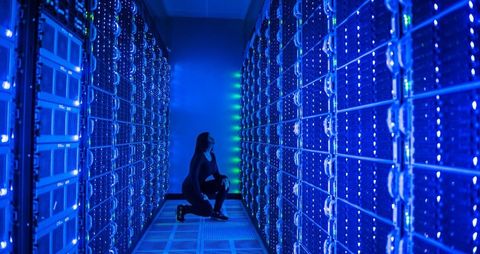
Modern data centers require reliable temperature management to operate efficiently.
Server Cooling
Server cooling solutions help control heat generated by computing equipment, supporting stable performance, equipment reliability, and continuous operations. Businesses evaluating data center cooling solutions must consider installation costs, energy requirements, maintenance, and long-term operational needs.
Servers generate heat while processing information, running applications, and storing digital records. Without suitable cooling infrastructure, excessive temperatures can affect hardware performance and increase the risk of unexpected equipment problems. Choosing appropriate server rack cooling systems is therefore an important part of data center planning.
What Are Server Cooling Solutions?
Server cooling solutions are systems and technologies designed to remove heat from servers, networking equipment, and other electronic components. They maintain suitable operating conditions by moving heat away from sensitive hardware.
These systems may use air conditioning, ventilation, liquid cooling, or combinations of different technologies. The choice depends on server density, facility design, environmental conditions, and business requirements.
Why Do Data Centers Generate Heat?
Servers contain processors, memory modules, power supplies, and storage devices that consume electricity. A significant portion of this electrical energy eventually becomes heat, which must be removed to maintain suitable operating temperatures.
As computing workloads increase, equipment may generate additional heat. High-density server installations can create concentrated heat zones, making effective cooling infrastructure especially important.
Importance of Cooling for Data Center Performance
Cooling plays an important role in maintaining consistent data center operations. When temperatures remain within recommended operating ranges, equipment can function under more predictable conditions.
Insufficient cooling may contribute to thermal throttling, hardware instability, and unexpected shutdowns. These problems can affect application availability and increase maintenance requirements.
Maintaining Server Reliability
Electronic components are designed to operate within specified temperature ranges. Excessive heat can place additional stress on hardware and potentially shorten component lifespan.
Reliable cooling helps maintain appropriate environmental conditions. It also supports predictable equipment operation during periods of high computing demand.
Improving Energy Management
Cooling equipment consumes electricity, sometimes representing a substantial portion of a facility's overall energy requirements. Poor airflow, outdated equipment, and incorrect temperature settings can contribute to unnecessary energy consumption.
Modern precision cooling systems help manage temperature and airflow according to facility requirements. Their actual energy performance depends on equipment efficiency, climate, workload, and system configuration.
Supporting Business Continuity
Data centers support services such as cloud computing, online transactions, business applications, and digital communication. Temperature-related equipment problems can interrupt these services.
Appropriate cooling infrastructure helps reduce thermal risks and supports operational stability. However, cooling alone cannot guarantee uninterrupted operations because power, networking, hardware, and other systems also affect availability.
Types of Data Center Cooling Systems
Different cooling technologies offer different advantages. Understanding their operating methods can help businesses compare available equipment and identify suitable infrastructure.
Air-Based Cooling Systems
Air-based cooling is widely used in traditional server environments. These systems use air conditioning units, fans, and ventilation arrangements to remove heat from server rooms.
Hot air is collected and cooled before being circulated again. Proper separation of hot and cold airflow can improve cooling efficiency and reduce unnecessary mixing.
Liquid Cooling Systems
Liquid cooling uses fluids to transfer heat away from equipment. Because liquids can transport heat effectively, these systems are increasingly considered for high-density computing environments.
Some designs circulate coolant through cold plates attached to processors, while others use immersion methods. Installation complexity, maintenance procedures, leak management, and compatibility should be evaluated before selection.
Precision Cooling Systems
Precision cooling systems are designed to provide controlled temperature and humidity management in technical environments. Unlike conventional comfort cooling, they focus on the specific environmental requirements of electronic equipment.
These systems can support continuous operation and targeted airflow management. Their suitability depends on room size, equipment density, heat load, and operating conditions.
Comparing Server Cooling Technologies
The following table summarizes common cooling approaches and their general applications.
| Cooling technology | Typical application | Important consideration |
|---|---|---|
| Air cooling | Traditional server rooms | Requires effective airflow management |
| Liquid cooling | High-density computing | Requires specialized infrastructure |
| Precision cooling | Dedicated data centers | Needs accurate system configuration |
| Immersion cooling | Specialized computing environments | Requires compatible equipment and fluids |
| Hybrid cooling | Mixed-density facilities | Requires coordination between systems |
No single cooling technology is appropriate for every facility. Businesses should compare technical requirements, energy consumption, installation expenses, and maintenance responsibilities.
Factors to Consider Before Buying Cooling Equipment
Selecting server cooling equipment involves evaluating more than its initial purchase price. The cooling system must match the facility's heat generation, physical layout, and expected computing requirements.
Cooling Capacity and Server Density
Cooling capacity should correspond to the amount of heat generated by installed equipment. Facilities with high-density racks may require different arrangements from those with smaller server installations.
A professional assessment of heat load can help determine the required cooling capacity. Planning for future equipment expansion is also important.
Installation and Operating Costs
Server room cooling cost depends on equipment type, installation complexity, electricity consumption, maintenance, and facility design.
When comparing options, businesses should consider:
Initial equipment purchase and installation expenses.
Electricity requirements under normal operating conditions.
Routine inspection and maintenance costs.
Replacement parts and expected equipment lifecycle.
Additional infrastructure required for expansion.
Considering these factors provides a more complete picture of long-term ownership costs.
Maintenance and Monitoring
Cooling systems require regular maintenance to operate as intended. Filters, fans, sensors, pumps, and other components should be inspected according to manufacturer recommendations.
Temperature and humidity monitoring can also help identify unusual environmental changes. Automated alerts may allow facility teams to investigate potential problems before they affect equipment.
Scalability and Future Requirements
Computing requirements can change as businesses introduce additional servers, storage systems, and networking equipment. Cooling infrastructure should accommodate reasonable future growth.
Modular systems and flexible cooling arrangements may provide useful options for facilities expecting expansion. However, scalability should be evaluated alongside installation costs and available space.
Frequently Asked Questions
Which Server Cooling Solution Is Best for Data Centers?
The appropriate solution depends on equipment density, heat generation, facility design, and budget. Air cooling, liquid cooling, and precision cooling each serve different operational requirements.
How Do Cooling Systems Improve Server Performance?
Cooling systems remove excess heat and help maintain suitable operating temperatures. This can reduce the risk of heat-related performance limitations and support equipment reliability.
What Affects Data Center Cooling Costs?
Major factors include equipment capacity, installation requirements, electricity prices, maintenance, cooling technology, and facility size.
Is Liquid Cooling Better Than Air Cooling?
Neither technology is universally better. Liquid cooling can be useful for high-density computing, while air cooling may be sufficient for conventional server environments.
How Often Should Server Cooling Systems Be Maintained?
Maintenance frequency depends on equipment specifications, operating conditions, and manufacturer guidance. Regular inspections and environmental monitoring help identify potential problems.
Conclusion
Server cooling solutions are an essential part of reliable data center infrastructure. They help manage heat, support equipment stability, and contribute to effective energy management.
Choosing suitable technology requires evaluating cooling capacity, installation costs, maintenance, and future computing needs.

Related Post...

How Taiwan Became a Global Leader in Semiconductor Manufacturing
Updated: November 25, 2026
Read More