How Taiwan Became a Global Leader in Semiconductor Manufacturing
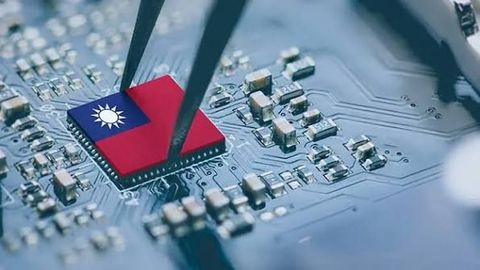
Taiwan's semiconductor rise has reshaped global technology markets.
Taiwan semiconductor manufacturing
The island has become an important center for chip manufacturing, attracting international technology companies seeking reliable production capabilities. Today, Taiwan semiconductor manufacturing companies play an essential role in producing components used in smartphones, computers, vehicles, communication networks, and artificial intelligence systems.
The industry's growth did not happen overnight. It developed through government planning, international technology partnerships, research institutions, private investment, and a specialized manufacturing business model. Understanding these developments helps explain why semiconductor manufacturers in Taiwan have become important partners in the global electronics supply chain.
What Makes Taiwan Important in Semiconductor Manufacturing?
Semiconductors are essential components in modern electronic devices. They control electrical signals and enable computing, communication, data processing, and many other functions.
Taiwan is particularly important because it has developed strong capabilities in wafer fabrication and advanced chip production. Its manufacturing ecosystem includes foundries, integrated circuit designers, packaging companies, testing facilities, and specialized equipment suppliers.
The Early Development of Taiwan's Semiconductor Industry
Taiwan began building its semiconductor capabilities during the 1960s and 1970s. Initially, international electronics companies established assembly and packaging operations on the island. These activities helped develop manufacturing experience and introduced local workers to electronic production processes.
Government Investment and Research
A major milestone came in 1973 with the establishment of the Industrial Technology Research Institute (ITRI). The organization supported technological research and helped transfer international semiconductor knowledge into Taiwan.
In 1976, ITRI began a technology transfer program with the American company RCA. Taiwanese engineers received training and gained practical experience in semiconductor manufacturing.
The development of Hsinchu Science Park in 1980 provided additional infrastructure for technology companies. Research institutions, universities, and private businesses gradually formed a connected industrial community.
Establishment of Major Manufacturing Companies
United Microelectronics Corporation (UMC) was established in 1980 through an ITRI spin-off. It became one of Taiwan's early semiconductor manufacturing businesses.
Another major development occurred in 1987 when Taiwan Semiconductor Manufacturing Company (TSMC) was established. Under the leadership of Morris Chang, the company introduced a dedicated foundry business model that later influenced the global semiconductor industry.
Why Taiwan Became a Global Manufacturing Leader
Several factors contributed to Taiwan's position in the semiconductor market. Rather than depending on one company or technological breakthrough, its success developed through a combination of industrial specialization and long-term investment.
The Foundry Business Model
One important reason for Taiwan's growth was the development of pure-play semiconductor foundries. Traditionally, many semiconductor companies designed and manufactured their own chips.
The foundry model separated these activities. Companies could focus on designing semiconductor products while specialized manufacturers handled physical production.
This arrangement reduced the need for chip designers to establish expensive fabrication facilities. It also allowed foundries to concentrate resources on manufacturing technology, production efficiency, and process development.
Skilled Workforce and Technical Research
Semiconductor production requires engineers and technicians with specialized knowledge. Taiwan invested in technical education, research programs, and industry training to develop the workforce needed for complex manufacturing operations.
Universities, research organizations, and private companies contributed to developing expertise in electronics, materials science, chip design, and fabrication processes.
Strong Industrial Infrastructure
Manufacturing advanced semiconductors requires stable electricity, clean water, specialized chemicals, precision equipment, and controlled production environments.
Taiwan developed industrial parks and supporting infrastructure to accommodate these requirements. The close presence of suppliers, manufacturers, research centers, and technical specialists also improved coordination across the industry.
Major Companies and Semiconductor Manufacturing Services
Taiwan's semiconductor ecosystem includes several established businesses with different areas of specialization. Understanding their roles can help companies researching semiconductor suppliers or manufacturing partnerships.
| Company | Main business activity | Industry role |
|---|---|---|
| TSMC | Wafer fabrication | Contract chip manufacturing |
| UMC | Wafer fabrication | Foundry services |
| ASE Technology | Packaging and testing | Semiconductor assembly |
| Powerchip | Semiconductor manufacturing | Foundry and memory-related production |
| Vanguard International Semiconductor | Specialty wafer manufacturing | Specialized foundry services |
Wafer Fabrication Services
Wafer fabrication involves creating integrated circuits on thin semiconductor wafers. This process includes multiple manufacturing stages, such as deposition, lithography, etching, and cleaning.
Semiconductor foundry services Taiwan provides are important to international chip designers that require access to specialized production facilities without building their own factories.
Packaging and Testing Services
Manufacturing does not end when circuits are created on silicon wafers. Individual chips must be separated, packaged, and tested before being integrated into electronic products.
Taiwanese companies have developed significant capabilities in these areas. Advanced packaging also helps combine different semiconductor components into increasingly complex electronic systems.
Technology and Innovation Behind Taiwan's Growth
Continuous technological development has helped Taiwan maintain its manufacturing capabilities. Semiconductor companies regularly invest in research, equipment, production processes, and facility improvements.
Advanced Chip Manufacturing
Modern semiconductor production involves increasingly complex manufacturing techniques. Smaller process nodes can support higher transistor density, although achieving improvements requires substantial research and specialized equipment.
TSMC manufacturing capabilities include advanced process technologies and specialized production solutions for international customers. However, different semiconductor applications require different manufacturing processes, and not every product needs the smallest available node.
Semiconductor Equipment and Supplier Networks
Taiwan's manufacturing ecosystem also depends on international and domestic suppliers. Semiconductor production equipment, precision components, electronic materials, and specialized maintenance services all contribute to factory operations.
These supplier relationships help manufacturers maintain production quality and coordinate complex manufacturing schedules. They also demonstrate why the semiconductor supply chain Taiwan has developed extends beyond chip fabrication alone.
Factors to Consider When Evaluating Taiwan Semiconductor Suppliers
Businesses researching Taiwan semiconductor suppliers should consider several practical factors before selecting a manufacturing partner.
Manufacturing capabilities: Check whether the company provides the required wafer fabrication, packaging, or testing services.
Technology requirements: Compare available process technologies with the technical specifications of the intended semiconductor product.
Production capacity: Understand manufacturing availability, expected lead times, and production requirements.
Quality management: Review documented quality systems, testing procedures, and relevant industry certifications.
Supply chain reliability: Consider material availability, logistics arrangements, and potential production disruptions.
Commercial agreements: Examine pricing structures, intellectual property protection, delivery conditions, and contractual responsibilities.
Semiconductor manufacturing involves substantial technical and financial commitments. A detailed assessment of production requirements and supplier capabilities is therefore important before entering a business agreement.
Frequently Asked Questions
Why Is Taiwan Famous for Semiconductor Manufacturing?
Taiwan is known for its advanced foundry capabilities, established manufacturing companies, skilled workforce, and extensive supplier network. These factors support its important position in global chip production.
Which Are the Major Semiconductor Manufacturing Companies in Taiwan?
Major companies include TSMC, UMC, Powerchip, Vanguard International Semiconductor, and ASE Technology. Their activities cover wafer fabrication, semiconductor packaging, and testing.
What Are Semiconductor Foundry Services in Taiwan?
These services involve manufacturing chips based on designs provided by other companies. They allow businesses to produce semiconductors without operating their own fabrication facilities.
Why Do International Companies Choose Taiwanese Semiconductor Suppliers?
International companies consider Taiwan because of its manufacturing expertise, established industrial ecosystem, technical capabilities, and experience supporting global electronics production.
Does Taiwan Manufacture Advanced Semiconductors?
Yes. Taiwan has significant capabilities in advanced semiconductor fabrication, alongside mature-node manufacturing, specialty processes, packaging, and testing.
Conclusion
Taiwan became a global semiconductor manufacturing leader through long-term planning, research, workforce development, and industrial specialization. Its foundry model and connected supplier ecosystem helped establish strong relationships with international technology companies.

Related Post...

How Taiwan Became a Global Leader in Semiconductor Manufacturing
Updated: November 25, 2026
Read More