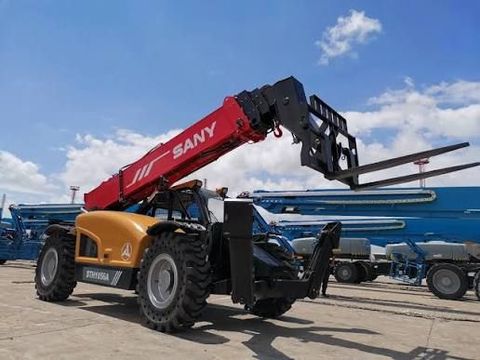
How Material Handling Equipment Improves Workplace Efficiency
Material handling equipment helps businesses move goods efficiently.
Material Handling Equipment
From warehouses to manufacturing facilities, these tools support daily operations by transporting, lifting, storing, and organizing materials. Choosing suitable material handling equipment can improve workflow consistency, reduce unnecessary manual work, and support better workplace productivity.
Businesses often compare material handling equipment suppliers, prices, and equipment types before making purchasing decisions. Understanding how different machines function helps organizations identify suitable solutions for their operational requirements. Equipment selection should consider workplace layout, material weight, movement frequency, and safety requirements.
What Is Material Handling Equipment?
Material handling equipment refers to machines, tools, and systems used to move materials within a workplace. These materials may include raw ingredients, manufactured products, packaging supplies, warehouse inventory, and heavy industrial components.
Common examples include forklifts, pallet trucks, conveyors, hoists, cranes, and storage systems. Each type performs a specific function depending on the working environment and material handling requirements.
Where Is It Commonly Used?
Material handling equipment is widely used across different industries, including:
Warehousing: Moving products between storage areas, loading zones, and dispatch sections.
Manufacturing: Transporting raw materials and finished products between production stages.
Construction: Lifting and positioning heavy building materials and equipment.
Retail and distribution: Organizing inventory and preparing goods for transportation.
Logistics: Supporting loading, unloading, and movement across distribution facilities.
Importance of Material Handling Equipment in Workplace Efficiency
Workplace efficiency depends on how effectively employees, equipment, and materials operate together. When materials are difficult to move or organize, employees may spend additional time completing basic tasks.
Industrial material handling equipment helps create more organized workflows by supporting repeated transportation and lifting activities. This allows employees to focus on other operational responsibilities while reducing unnecessary movement between work areas.
Reducing Manual Handling Work
Moving heavy or bulky materials manually can require considerable physical effort. Suitable equipment helps perform these tasks with controlled mechanical assistance.
For example, pallet trucks can transport loaded pallets across warehouse floors, while forklifts can lift and move heavier loads within approved operating limits. Appropriate equipment can reduce physical strain when used correctly.
Improving Workflow and Productivity
Material movement is an important part of many business operations. Delays in transporting supplies or finished products can affect production schedules and order preparation.
Conveyors, forklifts, and lifting systems help maintain a more consistent flow of materials. Their use can reduce unnecessary handling steps and support smoother coordination between different departments.
Supporting Workplace Safety
Improper lifting and transporting practices can create workplace hazards. Equipment designed for specific handling tasks can help reduce certain risks when employees follow operating procedures.
Safety improvements also depend on operator training, equipment inspections, load limits, and clear movement routes. Machines do not automatically eliminate workplace accidents, so proper supervision remains essential.
Types of Material Handling Equipment
Different workplaces require different equipment depending on the materials being handled and the distance they need to travel. Understanding the main categories makes it easier to compare available options.
Industrial Trucks
Industrial trucks are used to transport materials across workplace areas. Common examples include forklifts, hand pallet trucks, electric pallet trucks, and platform trucks.
Forklifts are generally suitable for lifting and moving palletized loads, while pallet trucks are commonly used for shorter-distance transportation. The correct choice depends on load capacity, floor conditions, lifting height, and available operating space.
Conveying Equipment
Conveyors move materials along a fixed path between different workplace locations. They are commonly found in manufacturing facilities, packaging operations, and distribution centers.
Belt conveyors, roller conveyors, and chain conveyors serve different handling purposes. Their use can reduce repeated manual transportation and support continuous movement in suitable operations.
Hoisting and Lifting Equipment
Hoists, cranes, and lifting devices help raise or position materials that are difficult to handle manually. They are commonly used in manufacturing, construction, and industrial maintenance environments.
These systems must be selected according to load capacity, lifting height, installation requirements, and operating conditions. Regular inspection is important because lifting equipment involves specific safety risks.
Storage and Handling Systems
Storage systems help organize materials and make inventory easier to access. Examples include pallet racks, shelving units, storage bins, and automated storage systems.
A well-planned storage arrangement can improve space utilization and reduce the time employees spend locating materials. Equipment should match the size, weight, and storage requirements of the products.
How Material Handling Equipment Improves Daily Operations
The right equipment can support several areas of workplace performance. Its impact depends on how effectively it is integrated into existing processes.
Better Use of Workplace Space
Storage racks and organized handling systems can help businesses use available floor space more effectively. Clear pathways and designated storage locations also make material movement easier.
Warehouse handling equipment should be selected according to ceiling height, aisle width, floor conditions, and storage arrangements. These factors influence equipment suitability and operational flexibility.
Reduced Material Damage
Repeated manual movement can increase the possibility of dropping, scratching, or damaging products. Appropriate handling equipment helps transport materials in a more controlled manner.
Protective attachments, suitable containers, and correctly operated lifting devices can further support material protection. However, careful handling procedures remain necessary.
More Consistent Operations
Standardized equipment can help employees follow repeatable material movement procedures. This can make it easier to coordinate receiving, storage, production, and dispatch activities.
Businesses may also use equipment maintenance schedules and operating guidelines to reduce avoidable interruptions.
Comparing Material Handling Equipment Options
Before purchasing equipment, businesses should compare its purpose, operating requirements, and maintenance needs. The following table provides a general overview.
| Equipment Type | Main Function | Common Application |
|---|---|---|
| Forklift | Lifting and transporting loads | Warehouses and factories |
| Pallet truck | Moving palletized materials | Storage and dispatch areas |
| Conveyor | Continuous material movement | Production lines |
| Hoist | Vertical lifting | Industrial facilities |
| Crane | Moving heavy materials | Construction and manufacturing |
| Storage racks | Organizing inventory | Warehouses |
This comparison provides general information. Actual equipment specifications and operating limits vary by manufacturer and model.
Factors to Consider Before Buying Material Handling Equipment
Selecting suitable equipment requires more than comparing the initial purchase price. Businesses should evaluate operational requirements, safety standards, and long-term ownership considerations.
Load Capacity and Workplace Requirements
The equipment must safely handle the expected material weight and dimensions. Businesses should also consider lifting height, transportation distance, aisle width, and floor conditions.
Choosing equipment without considering these requirements may create operational difficulties or safety concerns.
Equipment Price and Total Cost
Material handling equipment price varies according to equipment type, capacity, features, manufacturer, and technical specifications. Additional expenses may include installation, operator training, maintenance, spare parts, and energy consumption.
Comparing the total cost of ownership provides a broader understanding than focusing only on the initial purchase price.
Suppliers and Manufacturers
When comparing material handling equipment manufacturers and dealers, businesses should review product specifications, safety documentation, warranty terms, maintenance support, and spare-part availability.
Material handling equipment rental may also be considered when equipment is required temporarily or when businesses want to evaluate operational needs before purchasing.
Frequently Asked Questions
How Does Material Handling Equipment Improve Workplace Efficiency?
It supports faster material movement, reduces unnecessary manual tasks, improves storage organization, and helps maintain consistent workflows.
Which Material Handling Equipment Is Suitable for Warehouses?
Forklifts, pallet trucks, conveyors, and storage racks are commonly used. The appropriate combination depends on warehouse size, inventory type, load capacity, and movement requirements.
What Should Businesses Check Before Buying Equipment?
Important considerations include load capacity, operating environment, equipment dimensions, maintenance requirements, safety features, and overall ownership costs.
Is Renting Material Handling Equipment a Practical Option?
Rental can be suitable for temporary projects, seasonal demand, or short-term operational requirements. Businesses should compare rental costs, availability, maintenance responsibilities, and usage conditions.
How Can Equipment Maintenance Improve Efficiency?
Regular inspections and preventive maintenance help identify wear, mechanical problems, and potential operating issues before they cause unexpected interruptions.
Conclusion
Material handling equipment plays an important role in improving workplace efficiency across warehouses, factories, and industrial facilities. Suitable equipment supports organized material movement, reduces unnecessary manual work, and helps businesses maintain consistent operations.
Before purchasing, organizations should compare equipment specifications, suppliers, costs, and safety requirements.

Related Post...
How Industrial Equipment Drives Modern Manufacturing Efficiency
Updated: November 25, 2026
Read More
How Heavy Mining Excavators Power Large-Scale Mining Operations
Updated: November 25, 2026
Read More