How China Is Leading the Global Electrical Components Industry
China’s electrical sector now serves markets worldwide.
Electrical Components China
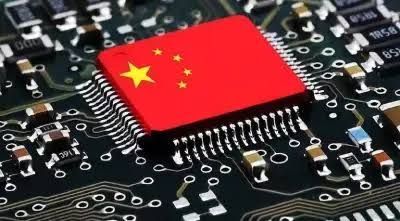
The country has developed a large manufacturing ecosystem that produces electrical components for residential, commercial, industrial, and infrastructure applications. Businesses looking for electrical components China suppliers often consider the country because of its manufacturing capacity, established supply networks, and broad product selection.
China's position is supported by years of investment in industrial facilities, manufacturing technology, transportation infrastructure, and international trade. Its factories produce everything from basic electrical connectors to advanced power equipment and electronic components.
For international buyers, understanding this industry helps when comparing manufacturers, evaluating production capabilities, and planning wholesale purchases.
How China Developed Its Manufacturing Position
China's manufacturing industry expanded through industrial investment, export-oriented production, and the development of specialized manufacturing regions. Over time, manufacturers established connections with raw material suppliers, component producers, assembly facilities, and logistics companies.
This connected production environment allows many businesses to source multiple electrical products through established industrial networks. It also supports large-scale manufacturing for domestic consumption and international markets.
Why China Is Important in the Global Electrical Market
China's influence extends across several electrical manufacturing categories. According to China's 2025 national economic statistics, exports of mechanical and electronic products increased by 8.9% compared with the previous year. This reflects the continued importance of these industries in the country's international trade.
The World Bank's World Integrated Trade Solution database also records substantial Chinese exports under the electrical machinery and equipment category. However, this broad category includes many products beyond individual electrical components.
Established Manufacturing Infrastructure
Manufacturing infrastructure is one of China's important advantages. Industrial facilities, transportation networks, equipment suppliers, and supporting businesses are often located within connected production regions.
These networks can help manufacturers coordinate different production stages, obtain materials, and manage large orders. They also provide international buyers with access to factories producing different component categories.
Large Production Capacity
China has manufacturers serving different order sizes and market requirements. Some factories specialize in high-volume production, while others focus on customized products, smaller batches, or specific industrial applications.
This variety allows buyers to compare production capacity, minimum order quantities, manufacturing timelines, and available specifications before selecting a supplier.
Major Electrical Components Manufactured in China
Chinese manufacturers produce a wide range of products used in electrical systems, electronic devices, industrial equipment, and infrastructure projects.
Common Product Categories
Some commonly manufactured products include:
Electrical connectors: Used to establish electrical connections between wires, circuits, and equipment.
Circuit breakers: Designed to interrupt electrical circuits when specified abnormal conditions occur.
Switches and sockets: Used in residential, commercial, and industrial electrical installations.
Wires and cables: Carry electrical power or signals across different applications.
Transformers: Used to change voltage levels in electrical power systems.
Relays and contactors: Help control electrical circuits and equipment.
Printed circuit boards: Provide connections and mounting structures for electronic components.
These products serve different industries, including construction, telecommunications, automotive manufacturing, renewable energy, and industrial automation.
Where to Find Electrical Components Manufacturers in China
China has several manufacturing regions known for electrical and electronic production. Understanding these locations can help buyers identify potential suppliers and compare product specializations.
Guangdong Province
Guangdong is an important electronics manufacturing region. Cities such as Shenzhen, Dongguan, and Guangzhou have extensive networks of electronics manufacturers, component suppliers, and assembly businesses.
The region is particularly relevant for electronic connectors, circuit boards, electrical accessories, and various electronic components.
Zhejiang Province
Zhejiang has manufacturing activity across electrical equipment, industrial accessories, switches, connectors, and related products. Several industrial cities support specialized production and wholesale distribution.
Jiangsu Province
Jiangsu has a broad industrial manufacturing base, including electrical machinery, automation equipment, power-related products, and electronic manufacturing.
These regional differences do not guarantee product quality. Buyers should evaluate individual factories rather than assuming that location alone determines manufacturing standards.
Comparing Electrical Components China Suppliers
Selecting a supplier requires more than comparing product prices. Buyers should examine manufacturing capabilities, documentation, communication, and quality control procedures.
The following table highlights important supplier evaluation factors.
| Evaluation factor | What buyers should check |
|---|---|
| Product quality | Materials, specifications, and inspection records |
| Certifications | Relevant product and market compliance documents |
| Manufacturing capacity | Production facilities and order capabilities |
| Pricing | Unit cost, minimum order quantity, and additional charges |
| Delivery | Production schedules and shipping arrangements |
| Communication | Technical support and response quality |
| Customization | Ability to meet specific product requirements |
Understanding Certifications and Standards
Electrical products must meet relevant safety and performance requirements in their intended markets. Depending on the product and destination, buyers may need to check standards such as IEC requirements, CE conformity documentation, or UL certification.
These requirements are not interchangeable, and their applicability varies by product and jurisdiction. Buyers should verify certificates, testing reports, and product documentation rather than relying only on claims made in supplier listings.
Buying Electrical Components from China
International purchasing involves several practical steps. Businesses planning to buy electrical components from China should establish clear requirements before requesting quotations.
Preparing Product Specifications
A detailed specification helps manufacturers understand the exact product required. Important information may include:
Product dimensions and material requirements.
Voltage, current, and operating conditions.
Required safety and performance standards.
Packaging and labeling instructions.
Expected order quantity and delivery schedule.
Providing accurate specifications reduces misunderstandings during quotation and production.
Understanding Wholesale Pricing
China electrical components price comparisons should consider more than the listed unit cost. Manufacturing quality, material selection, order volume, customization, packaging, and shipping can influence the final purchasing expense.
Buyers should request itemized quotations and compare equivalent specifications. They should also consider import duties, taxes, inspection expenses, and transportation charges when calculating the total landed cost.
Challenges and Considerations for International Buyers
Although China offers extensive manufacturing options, international sourcing involves certain challenges. Product consistency, supplier reliability, shipping arrangements, and changing trade requirements can affect purchasing decisions.
Quality Control and Supplier Verification
Not every manufacturer follows the same production and inspection procedures. Buyers should review factory information, request relevant product samples, and establish quality requirements before confirming large orders.
Independent inspections may also help verify whether manufactured products match agreed specifications.
Logistics and International Trade
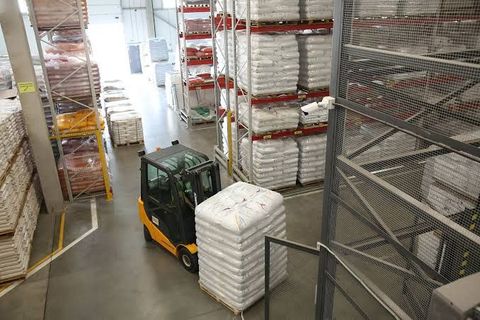
Shipping electrical components internationally requires appropriate documentation, packaging, and customs preparation. Delivery schedules can depend on production capacity, transportation availability, destination regulations, and seasonal demand.
Buyers should confirm shipping responsibilities and import requirements before placing orders.
Frequently Asked Questions
Why Do Businesses Buy Electrical Components from China?
Businesses consider China because of its manufacturing capacity, established supply networks, broad product selection, and access to different supplier categories.
How Can Buyers Find Reliable Electrical Components Manufacturers in China?
Buyers can research manufacturers, verify business information, review certifications, request samples, and evaluate production capabilities before making purchasing decisions.
Are Chinese Electrical Components Suitable for International Markets?
Many Chinese manufacturers produce products for international markets. Suitability depends on product specifications, applicable safety standards, testing, and destination-country requirements.
What Affects Electrical Components Wholesale Prices in China?
Prices depend on materials, product specifications, order quantities, customization, manufacturing processes, and shipping expenses.
Which Chinese Regions Manufacture Electrical Components?
Guangdong, Zhejiang, and Jiangsu are among the important manufacturing regions, with different concentrations of electrical and electronic production.
Conclusion
China plays an important role in the global electrical components industry through its manufacturing infrastructure, specialized production regions, and international supply networks. Its factories serve diverse industries and provide buyers with numerous sourcing possibilities.
However, successful purchasing requires careful supplier verification, product specification checks, quality assessment, and cost comparison.

Related Post...