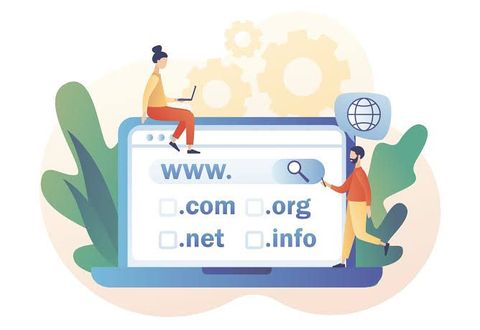
Domain Names for a Strong Online Presence
Establishing an online presence starts with choosing the right domain.
Domain Names
Domain names provide websites with recognizable addresses, helping visitors find businesses, organizations, personal projects, and online services. People planning to buy domain names should understand registration options, pricing, extensions, and management requirements before making a purchase.
A suitable domain name can support brand identity and make an online address easier to remember. Whether someone is creating a business website, launching an online store, or building a personal portfolio, selecting an appropriate domain is an important part of website planning.
What Is a Domain Name?
A domain name is the human-readable address people enter into a browser to visit a website. It generally consists of a chosen name followed by an extension, such as .com, .org, or .net.
Domain names are connected to numerical internet addresses through the Domain Name System (DNS). This system helps browsers locate the correct website without requiring visitors to remember technical IP addresses.
Why Do Domain Names Matter?
A domain name provides a recognizable identity for an online project. It can help visitors identify a website, communicate its purpose, and distinguish it from other online platforms.
For businesses, a relevant domain can also support consistent branding across websites, email addresses, and digital communication channels. However, a domain name alone does not guarantee website traffic, search rankings, or business success.
Importance of Choosing the Right Domain Name
Choosing an appropriate domain name is an important decision because it may become part of a business's long-term digital identity. A clear and relevant name can make an online presence easier to recognize and share.
Before domain name registration, buyers should consider their website's purpose, intended audience, brand identity, and future requirements. A carefully selected name can reduce the need for complicated changes later.
Brand Recognition and Credibility
A domain that matches a business or project name can create consistency across digital platforms. Visitors may also find a simple and relevant website address easier to remember.
A professional-looking domain can contribute to a consistent online identity, although credibility also depends on website quality, transparent information, security, and customer experience.
Website Accessibility and Communication
A domain provides a convenient address for accessing a website. It can also support branded email addresses when combined with an appropriate email hosting service.
For example, a business using its own domain can create email addresses associated with its website name. This can help maintain consistency in customer communication and professional correspondence.
Types of Domain Names and Extensions
Domain extensions help categorize different types of website addresses. Understanding the available options makes it easier to select a domain that matches the intended website.
Common Domain Extensions
Several domain extensions are widely used for different purposes:
.com: Commonly used by businesses, commercial websites, and general online projects.
.org: Traditionally associated with organizations, associations, and nonprofit initiatives.
.net: Frequently used for technology-related and general websites.
.info: Often selected for informational websites and educational resources.
Country-code extensions: Extensions such as .in, .uk, and .us indicate an association with a particular country or territory.
The suitability of an extension depends on the website's purpose, audience, and registration requirements. Some extensions also have specific eligibility rules.
Choosing Between Generic and Country-Specific Domains
Generic extensions can be useful for websites targeting international audiences. Country-specific extensions may be appropriate for organizations serving a particular geographic market.
For example, an Indian business may consider a .in domain when its primary audience is located in India. However, the choice should reflect the website's actual audience and long-term plans.
Comparing Domain Registration Prices and Providers
Domain name pricing varies according to the extension, registrar, promotional offers, and additional services. A low initial registration price does not necessarily represent the total cost of maintaining a domain over several years.
Comparing domain name providers helps buyers understand registration fees, renewal charges, transfer conditions, and available management features.
Understanding Domain Name Costs
The overall cost of a domain may include several components:
Registration fee: The amount charged for registering a domain for an initial period.
Renewal fee: The recurring charge for maintaining registration after the initial term.
Transfer fee: A possible charge associated with transferring a domain between registrars.
Additional services: Optional services such as privacy protection, DNS management, and email hosting.
The following table explains common pricing considerations.
| Domain service | What it covers | Important consideration |
|---|---|---|
| Initial registration | First registration period | Check promotional conditions |
| Domain renewal | Continued registration | Compare regular renewal prices |
| Domain transfer | Moving between registrars | Review transfer requirements |
| Privacy protection | Limiting public personal details where supported | Check eligibility and availability |
| DNS management | Managing domain records | Review available controls |
How to Compare Domain Registrars
When evaluating the best domain registrars, consider more than the advertised registration price. Important factors include transparent pricing, customer support, account security, DNS controls, and renewal policies.
Also review whether the registrar provides domain locking, two-factor authentication, automatic renewal options, and clear ownership management. These features can help simplify domain administration.
How to Buy and Register a Domain Name
Buying a domain generally involves checking availability, selecting a registrar, completing registration, and configuring the domain. Understanding each step can make the process easier for first-time website owners.
Check Domain Name Availability
Start by selecting a name that reflects the website's purpose or brand identity. Use a registrar's search tool to check whether the preferred domain is available.
If the exact name is unavailable, consider a different extension or a simple alternative. Avoid names that are confusingly similar to established brands or protected trademarks.
Complete Domain Name Registration
Once a suitable name is available, choose a registrar and review its registration terms. Provide accurate contact information and complete the required payment process.
Registration periods and renewal arrangements depend on the extension and registrar. Keep access to the account secure because it controls important domain settings.
Connect the Domain to a Website
After registration, configure the domain's DNS settings to connect it to the website hosting service. This may involve updating nameservers or specific DNS records provided by the hosting company.
DNS changes can take time to become visible across the internet. Website owners should follow their hosting provider's configuration instructions and verify that the domain points to the correct website.
Important Factors Before Purchasing a Domain
Before completing a domain name purchase, review the name's suitability and the registrar's terms. A few practical checks can help avoid unnecessary expenses and management difficulties.
Ownership and Renewal Management
Confirm that the domain is registered using accurate account details and that you can access its management settings. Check renewal dates and enable reminders or automatic renewal when appropriate.
Expired domains may become unavailable or enter recovery periods depending on the extension and registrar policies. Keeping contact information updated can help prevent missed renewal notifications.
Security and Trademark Considerations
Use strong account passwords and two-factor authentication where available. Domain locking can also help reduce the risk of unauthorized transfers.
Before registering a business-related name, check for potential trademark conflicts. Domain availability does not automatically mean that a name is legally available for every commercial use.
Frequently Asked Questions
Where Can I Buy Domain Names?
Domain names can be purchased through accredited registrars and other authorized registration providers. Compare their pricing, renewal terms, security features, and support services before choosing one.
How Much Does Domain Name Registration Cost?
Costs depend on the extension, registrar, registration period, and additional services. Renewal fees may differ from introductory registration prices.
Can I Buy a Domain Name Permanently?
Domain names are generally registered for a limited period and must be renewed. They are not normally purchased as permanent ownership rights.
What Should I Check Before Buying a Domain?
Check availability, spelling, extension suitability, pricing, renewal conditions, trademark considerations, and account security.
Can I Transfer My Domain to Another Provider?
Yes, many domain extensions support transfers between eligible registrars. The process depends on transfer rules, domain status, and applicable registration policies.
Conclusion
Domain names are an important part of establishing a recognizable online presence. Choosing the right name requires considering website purpose, extensions, registration costs, renewal conditions, and security features.
Comparing domain registrars and understanding registration requirements can help individuals and businesses make informed purchasing decisions.

Related Post...


How Taiwan Became a Global Leader in Semiconductor Manufacturing
Updated: November 26, 2026
Read More