Pharmaceutical Desiccants Ensuring Product Quality and Stability
Pharmaceutical products require carefully controlled storage conditions.
Pharmaceutical products
Moisture exposure can affect product quality, packaging performance, and stability, making pharmaceutical desiccants an important part of certain packaging systems. These moisture-control materials help manage humidity inside sealed packages and storage containers.
Businesses researching pharmaceutical desiccant suppliers often compare material types, absorption capacity, packaging compatibility, and quality documentation. Choosing suitable pharmaceutical grade desiccants requires an understanding of product requirements and environmental conditions rather than simply selecting the most absorbent material.
What Are Pharmaceutical Desiccants?
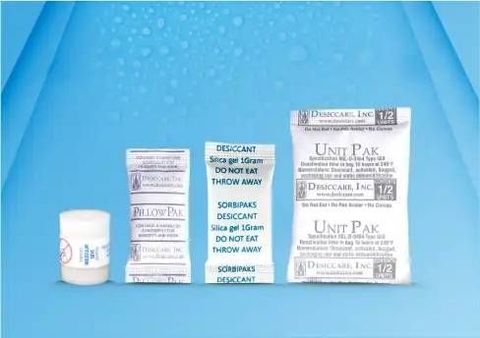
Pharmaceutical desiccants are moisture-absorbing materials used in packaging to reduce excess humidity. They are commonly supplied in sachets, packets, canisters, or other formats designed for specific packaging applications.
Their main purpose is to help maintain a suitable internal moisture environment. Depending on the material and packaging design, they can reduce the risk of moisture-related problems during storage and distribution.
Why Moisture Control Matters
Moisture can influence pharmaceutical products in several ways. Certain tablets, capsules, powders, and other formulations may experience physical or chemical changes when exposed to unsuitable humidity conditions.
Potential concerns include:
Changes in product texture or physical appearance.
Increased risk of deterioration in moisture-sensitive formulations.
Clumping or changes in powder consistency.
Damage to moisture-sensitive packaging components.
Reduced ability to maintain intended product specifications.
Desiccants are one part of a broader moisture-control strategy that may also include suitable packaging materials, sealing methods, and controlled storage conditions.
Importance of Pharmaceutical Desiccants in Product Quality
Maintaining product quality requires attention throughout manufacturing, packaging, storage, and transportation. Pharmaceutical packaging desiccants can help manage humidity inside individual containers, supporting the environmental conditions specified for certain products.
However, desiccants do not replace appropriate manufacturing controls, validated packaging systems, or suitable storage practices. Their effectiveness depends on correct selection, quantity, placement, and packaging integrity.
Supporting Product Stability
Product stability refers to the ability of a pharmaceutical product to maintain its required characteristics under specified conditions over time. Moisture can be an important factor affecting stability, particularly for products that are sensitive to humidity.
Pharmaceutical moisture absorbers help manage this risk by taking up moisture within a package. The appropriate material and quantity should be determined according to the product's moisture sensitivity and packaging requirements.
Protecting Products During Transportation
Pharmaceutical products may travel through different climates and storage environments before reaching their destination. Changes in temperature and humidity can create additional moisture-management challenges.
Desiccant sachets for pharmaceuticals may help maintain suitable internal packaging conditions during distribution. Their performance depends on the packaging barrier, initial moisture level, transportation conditions, and the desiccant's absorption capacity.
Types of Pharmaceutical Desiccants
Different materials are used for moisture control in pharmaceutical packaging. Each has specific characteristics, making material selection an important consideration.
Silica Gel Desiccants
Silica gel is a widely used desiccant made from porous silicon dioxide. Its structure allows it to absorb moisture from the surrounding air.
It is available in different packet and container formats. Pharmaceutical applications may require suitable material specifications, packaging integrity, and supporting quality documentation.
Molecular Sieve Desiccants
Molecular sieves are porous materials designed to adsorb moisture through precisely sized structures. They can provide effective moisture control in applications requiring relatively low humidity levels.
Their selection depends on the required moisture conditions, packaging environment, and compatibility with the intended application.
Clay Desiccants
Clay-based desiccants are natural mineral materials used for moisture absorption. They are available in different formats and may be suitable for selected packaging applications.
Their absorption performance depends on material composition and environmental conditions. Buyers should review relevant specifications before considering them for pharmaceutical packaging.
Calcium-Based Desiccants
Certain calcium-based materials are used for moisture absorption because of their capacity to take up water. Their suitability depends on the specific formulation, packaging design, and intended application.
Material compatibility and appropriate containment should be evaluated before use.
Comparing Pharmaceutical Desiccant Options
Understanding the differences between common materials can make purchasing decisions more practical.
| Desiccant type | Main characteristic | Selection consideration |
|---|---|---|
| Silica gel | Porous moisture-absorbing material | Packaging compatibility |
| Molecular sieve | Controlled pore structure | Required humidity level |
| Clay | Mineral-based moisture absorption | Environmental conditions |
| Calcium-based | Moisture absorption capacity | Containment and compatibility |
This comparison provides general information. Actual performance varies according to product specifications, packaging conditions, and environmental exposure.
Factors to Consider When Buying Pharmaceutical Desiccants
Selecting appropriate materials involves more than comparing prices. Buyers should evaluate the technical requirements, quality standards, and packaging conditions associated with their applications.
Material Quality and Documentation
When comparing pharmaceutical desiccant manufacturers, buyers should review material specifications, quality-control procedures, and relevant documentation.
Useful information may include:
Material composition and technical specifications.
Moisture absorption capacity.
Packaging and containment details.
Batch identification and traceability.
Relevant quality certifications and test reports.
Documentation requirements depend on the intended application and applicable regulations.
Packaging Compatibility
Pharmaceutical desiccant packaging must be suitable for the container in which it will be used. Sachets and canisters should have appropriate dimensions, containment properties, and resistance to handling conditions.
The packaging should also prevent unintended contact between the desiccant material and the pharmaceutical product.
Cost and Bulk Purchasing
Pharmaceutical desiccant price can vary depending on material type, absorption capacity, packaging format, order quantity, and documentation requirements.
Businesses considering bulk pharmaceutical desiccants should compare the complete specifications rather than selecting products based only on unit price. Storage requirements, shelf life, and delivery arrangements may also influence purchasing decisions.
Supplier Evaluation
Choosing pharmaceutical desiccant suppliers requires reviewing their technical capabilities and quality-management practices. Buyers can request product specifications, sample documentation, packaging details, and information about manufacturing controls.
A clear understanding of supply consistency and traceability can support more informed purchasing decisions.
Frequently Asked Questions
What Are Pharmaceutical Desiccants Used For?
They are used to absorb excess moisture inside selected pharmaceutical packaging systems. This helps maintain suitable humidity conditions for moisture-sensitive products.
Which Pharmaceutical Grade Desiccants Are Commonly Used?
Silica gel, molecular sieves, clay, and certain calcium-based materials are used in moisture-control applications. Selection depends on product sensitivity and packaging requirements.
How Do I Choose Pharmaceutical Desiccant Manufacturers?
Compare technical specifications, material quality, production controls, documentation, packaging compatibility, and supply consistency before making a purchasing decision.
What Affects Pharmaceutical Desiccant Price?
Pricing depends on material type, absorption capacity, packet size, packaging format, order volume, and quality documentation requirements.
Are Desiccant Sachets Suitable for All Pharmaceutical Products?
No. Their suitability depends on the product formulation, packaging design, moisture sensitivity, and applicable quality requirements. Each application requires an appropriate evaluation.
Conclusion
Pharmaceutical desiccants play an important role in moisture management for selected pharmaceutical packaging applications. Understanding material types, absorption characteristics, packaging compatibility, and supplier documentation helps businesses evaluate suitable options.
A well-planned moisture-control approach considers the entire packaging system rather than relying on desiccants alone.

Related Post...