Dental Implants for a Confident and Healthy Smile
Missing teeth can affect everyday activities, including eating, speaking, and smiling.
Dental Implants
Dental implants are one option for replacing missing teeth, offering a fixed structure designed to support artificial replacement teeth. People researching dental implant treatment often compare procedures, costs, materials, and long-term maintenance before making a decision.
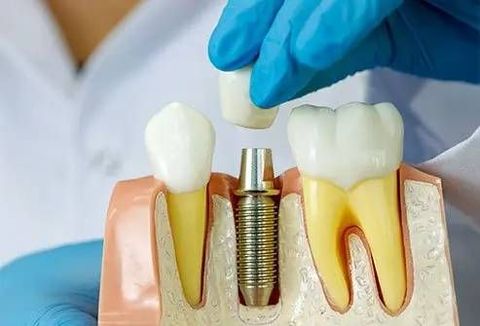
A dental implant generally consists of a small post placed into the jawbone, an attachment component, and a replacement tooth or crown. The implant acts as an artificial tooth root, providing support for the visible restoration. However, suitability depends on oral health, bone condition, medical history, and individual treatment requirements.
What Are Dental Implants?
Dental implants are artificial tooth roots, commonly made from titanium or other suitable materials. They are placed into the jawbone through a surgical procedure and designed to integrate with the surrounding bone over time.
After healing, the implant can support a crown, bridge, or other dental restoration. Unlike removable dentures, implant-supported teeth are generally designed to remain fixed in place.
Why Do People Consider Dental Implants?
People may consider dental implants when they have lost one or more teeth because of injury, decay, gum disease, or other dental problems. Replacing missing teeth can help restore chewing function and support everyday oral activities.
Dental implants may also help maintain the structure of the jawbone in the area of a missing tooth. However, treatment outcomes differ between individuals, and implants are not suitable for every patient.
Importance of Dental Implants for Oral Health
Missing teeth can create changes in the way the mouth functions. Nearby teeth may gradually shift into empty spaces, potentially affecting alignment and chewing. Tooth loss can also contribute to changes in the jawbone because the bone no longer receives stimulation from the natural tooth root.
Dental implants can provide support for replacement teeth and help address some of these concerns. Their suitability and potential benefits should always be evaluated through an individual dental examination.
Functional Benefits of Tooth Replacement
Replacing missing teeth may support several everyday activities:
Chewing ability: Replacement teeth can help restore the ability to bite and chew different foods.
Speech support: Filling certain gaps may help improve speech clarity when missing teeth affect pronunciation.
Tooth stability: A fixed restoration can provide a stable alternative to some removable replacement options.
Bite balance: Replacing missing teeth may help maintain a more balanced distribution of chewing pressure.
Supporting Jawbone Structure
Natural tooth roots provide stimulation to the jawbone during chewing. Following tooth loss, the surrounding bone may gradually decrease in volume.
Dental implants can provide stimulation through their connection with the jawbone. However, the amount of bone preservation varies, and implants do not reverse every change associated with tooth loss.
Types of Dental Implant Treatment
Different dental implant options are available depending on how many teeth are missing and the condition of the surrounding oral structures. Understanding these options can help patients discuss suitable treatment plans with a dental professional.
Single Tooth Dental Implants
A single tooth dental implant replaces one missing tooth using an implant post and a dental crown. This approach generally does not require reshaping neighboring healthy teeth, unlike some traditional dental bridge procedures.
The dentist evaluates the available bone and surrounding teeth before recommending this option. Additional procedures may sometimes be necessary depending on the condition of the treatment area.
Multiple Tooth Dental Implants
When several teeth are missing, multiple implants may support individual crowns or a dental bridge. The number of implants required depends on the location of missing teeth, available bone, and the planned restoration.
This approach can provide a fixed replacement option for people who have lost multiple teeth. A detailed examination helps determine the most appropriate arrangement.
Full Mouth Dental Implants
Full mouth dental implants are designed for people who need to replace most or all teeth in one or both dental arches. Several implants may support a full-arch restoration, depending on individual requirements.
Treatment planning involves evaluating jawbone condition, bite alignment, oral health, and the type of replacement teeth. The process may require multiple appointments and a healing period.
Comparing Dental Implant Options
The following table explains common implant approaches and their general purposes.
| Implant option | Typical purpose | Important consideration |
|---|---|---|
| Single tooth implant | Replacing one missing tooth | Requires suitable bone support |
| Multiple implants | Replacing several missing teeth | Implant placement varies |
| Full mouth implants | Replacing most or all teeth | Requires detailed treatment planning |
| Implant-supported bridge | Replacing several adjacent teeth | Uses implants for bridge support |
| Implant-supported denture | Supporting a removable denture | May improve denture stability |
The appropriate option depends on the number of missing teeth, oral health, treatment goals, and available bone structure.
Dental Implants Cost and Treatment Considerations
Dental implants cost can vary significantly between patients and dental clinics. The total amount depends on the implant material, number of implants, restoration type, diagnostic procedures, and complexity of treatment.
People comparing dental implants price should understand what is included in the quoted amount. Some treatment plans may include examinations, imaging, implant placement, abutments, and crowns, while others may list these separately.
Factors That Influence Treatment Costs
Several factors can affect the overall dental implant cost:
Number of implants: Replacing multiple teeth generally involves different costs from replacing one tooth.
Implant materials: The materials and components selected may influence the total expense.
Additional procedures: Bone grafting or other preparatory treatments may increase treatment costs.
Dental restoration: Crown, bridge, or full-arch restoration requirements affect the overall plan.
Clinic location: Local operating expenses and professional fees can influence pricing.
Importance of Professional Consultation
A dental implant consultation allows a dentist to assess oral health and discuss available treatment options. The evaluation may include dental X-rays or three-dimensional imaging to examine bone structure and identify potential concerns.
Patients should ask about treatment stages, estimated costs, healing time, possible complications, and maintenance requirements. Understanding these details can help establish realistic expectations before proceeding.
Frequently Asked Questions
How Long Does Dental Implant Treatment Take?
Treatment duration varies according to bone condition, healing response, and whether additional procedures are required. Some cases may take several months from implant placement to final restoration.
Are Dental Implants Suitable for Everyone?
Not everyone is automatically suitable for dental implants. Jawbone condition, gum health, general health, and certain lifestyle factors can influence treatment eligibility.
How Much Do Dental Implants Cost?
Dental implant costs depend on the number of implants, materials, restoration type, and additional procedures. A personalized examination is necessary to receive a meaningful treatment estimate.
Are Dental Implants Permanent?
Dental implants are designed as long-term tooth replacement solutions, but they are not guaranteed to last permanently. Oral hygiene, regular dental visits, lifestyle habits, and overall health influence their longevity.
How Should Dental Implants Be Maintained?
Implants require regular brushing, appropriate cleaning between teeth, and routine dental examinations. Following professional aftercare instructions can help maintain the surrounding gum tissue and supporting structures.
Conclusion
Dental implants offer a fixed option for replacing missing teeth and supporting everyday oral functions. Different treatment approaches are available for single teeth, multiple missing teeth, and full-mouth replacement.
Understanding dental implant procedures, costs, suitability, and maintenance requirements is important before choosing treatment.

Related Post...